Watermelon Seed OilOrganic & Conventional
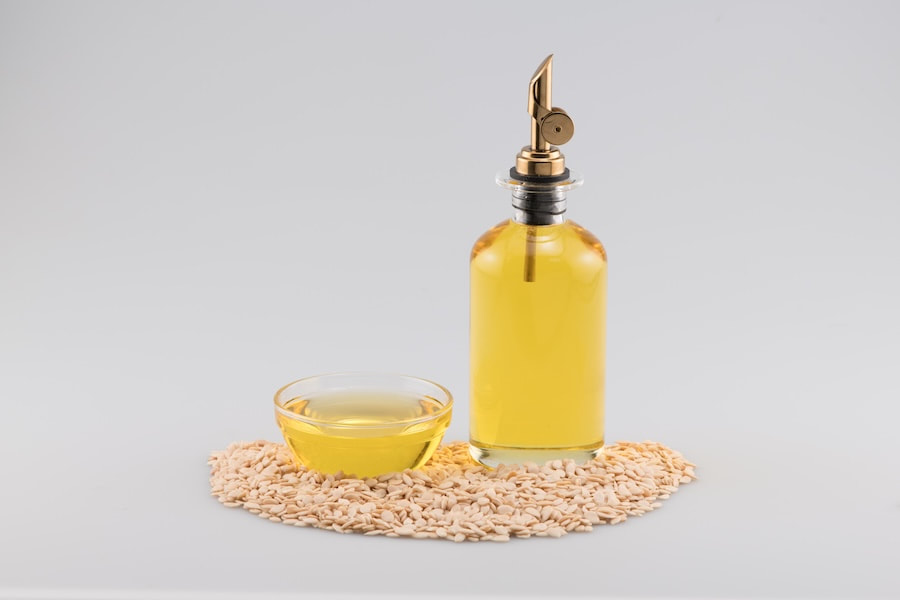
Watermelon seed oil is a nutrient-rich extract derived from the seeds of the watermelon (Citrullus-Lanatus) fruit. Known for its light texture and mild, pleasant aroma, this oil has gained popularity in the realm of skincare and cosmetic products. Packed with essential fatty acids, including linoleic and oleic acids, watermelon seed oil is prized for its moisturizing properties, helping to nourish and hydrate the skin without leaving a greasy residue. Additionally, it contains antioxidants like vitamin E, which contribute to its potential anti-aging benefits by combating free radicals. The oil is also recognized for its suitability for all skin types, including sensitive and oily skin, making it a versatile ingredient in various beauty formulations. Beyond skincare, watermelon seed oil is also used in culinary applications, bringing a delicate, nutty flavor to dishes while providing potential health benefits due to its nutritional profile. At Onset Worldwide, we take great care in sourcing the highest quality raw materials and processing them in our SQF-certified, allergen-free facility to provide you with the best watermelon seed oil.
Why Buy Onset Worldwide's Watermelon Seed Oil?When it comes to choosing the right watermelon seed oil, Onset Worldwide is your trusted source. We understand the importance of quality and purity and go the extra mile to ensure our products meet the highest standards. We start by sourcing the highest quality raw material for our watermelon seed oil. We work with farmers and processors from all over the globe, carefully selecting those that meet our strict quality standards. We then import the seed directly to our SQF-certified, allergen-free facility for processing. Our proprietary processing methods ensure that the result is always the highest quality watermelon seed oil.
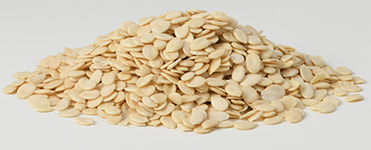
Our ProcessWatermelon seed oil is made by cold-pressing whole watermelon seeds to extract the oil. The oil is then filtered to remove impurities, yielding a high-quality oil. By cold-pressing the seed, we preserve more of the natural color, odor, and nutrition of the oil when compared to traditional methods using high heat and solvents. |
Is Watermelon Seed Oil Gluten-Free?
Yes, watermelon seed oil is generally considered gluten-free. Gluten is a protein found in wheat and certain other grains, and it is not present in the seeds of watermelon. Watermelon seeds are naturally gluten-free, and the oil extracted from them should not contain gluten unless it is cross-contaminated during processing with gluten-containing substances. Onset Worldwide’s strict facility cleaning procedures and QA testing protocols help ensure there is no cross-contamination in our finished product. This helps to guarantee the watermelon seed oil is allergen-free.
What Is The History of Watermelon Seed Oil?
The history of watermelon seed oil traces back centuries, originating in Africa, where watermelon (Citrullus-Lanatus) is believed to have first been cultivated. In ancient Egypt, watermelon was consumed for its sweet flesh, and historical records indicate that Egyptians included watermelons in burials, possibly as a source of sustenance in the afterlife. The use of watermelon seeds, including their oil extraction, has been a longstanding practice in various cultures. Watermelon seeds were roasted and eaten as snacks in some regions, while others pressed them to obtain oil for cooking and skincare purposes. Additionally, watermelon seed oil has played a role in culinary practices, particularly in Africa and the Middle East, where its mild, nutty flavor enhances the taste of salads and dressings. Although not extensively documented, the historical use of watermelon seed oil underscores its enduring significance across diverse cultural contexts. In contemporary times, the oil has experienced a resurgence of interest, particularly in the beauty and cosmetic industries, owing to its potential skincare benefits and adaptability in various formulations.
Is watermelon seed oil Oil Paleo?
Yes, watermelon seed oil is considered paleo-friendly. The paleo diet, also known as the Paleolithic or caveman diet, is based on the idea of eating foods that our ancestors would have
consumed during the Paleolithic era. This includes whole, unprocessed foods such as fruits, vegetables, nuts, seeds, lean meats, and healthy fats. Watermelon seed oil fits well within the paleo framework as it is derived from the seeds of the watermelon fruit, which is a natural and minimally processed source. The oil contains beneficial nutrients and fatty acids without additives or preservatives, aligning with the principles of the paleo diet. Additionally, watermelon seeds, from which the oil is extracted, were likely consumed by early humans. |