Onset Worldwide
  • Home
  • About Us
  • PRODUCTS
    • SEEDS >
      • Black Chia Seeds
      • White Chia Seeds
      • Sunflower Kernels
      • Pumpkin Kernels
      • Watermelon Kernels
      • Flax Seeds
    • FLOURS >
      • Nitro-Milled® Black Chia Flour
      • Nitro-Milled® White Chia Flour
      • Nitro-Milled® Sunflower Flour
      • Nitro-Milled® Pumpkin Flour
      • Nitro-Milled® Watermelon Flour
      • Nitro-Milled® Flax Flour
      • Cassava Flour
      • Tapioca Starch
      • Xanthan Gum
      • Sunflower Flakes
    • PROTEIN POWDERS >
      • Black Chia Seed Protein Powder
      • White Chia Seed Protein Powder
      • Sunflower Seed Protein Powder
      • Pumpkin Seed Protein Powder
      • Watermelon Seed Protein Powder
      • Flax Seed Protein Powder
    • COLD-PRESSED OILS >
      • Chia Seed Oil
      • Sunflower Seed Oil
      • Pumpkin Seed Oil
      • Watermelon Seed Oil
      • Flax Seed Oil
  • Toll Processing
  • Certifications
  • Contact
  • Blog
  • Online Orders
  • Prop 65 Calculator
  • Home
  • About Us
  • PRODUCTS
    • SEEDS >
      • Black Chia Seeds
      • White Chia Seeds
      • Sunflower Kernels
      • Pumpkin Kernels
      • Watermelon Kernels
      • Flax Seeds
    • FLOURS >
      • Nitro-Milled® Black Chia Flour
      • Nitro-Milled® White Chia Flour
      • Nitro-Milled® Sunflower Flour
      • Nitro-Milled® Pumpkin Flour
      • Nitro-Milled® Watermelon Flour
      • Nitro-Milled® Flax Flour
      • Cassava Flour
      • Tapioca Starch
      • Xanthan Gum
      • Sunflower Flakes
    • PROTEIN POWDERS >
      • Black Chia Seed Protein Powder
      • White Chia Seed Protein Powder
      • Sunflower Seed Protein Powder
      • Pumpkin Seed Protein Powder
      • Watermelon Seed Protein Powder
      • Flax Seed Protein Powder
    • COLD-PRESSED OILS >
      • Chia Seed Oil
      • Sunflower Seed Oil
      • Pumpkin Seed Oil
      • Watermelon Seed Oil
      • Flax Seed Oil
  • Toll Processing
  • Certifications
  • Contact
  • Blog
  • Online Orders
  • Prop 65 Calculator

Tapioca Starch


Organic & Conventional
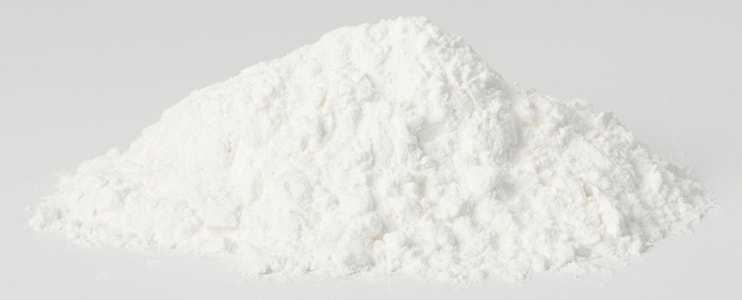
Tapioca starch is a versatile and gluten-free flour derived from the roots of the cassava plant. Widely used in cooking and baking, it imparts a smooth texture and is a common ingredient in various dishes, ranging from puddings and pies to thickening agents in soups and sauces. At Onset Worldwide, we take great care in sourcing the highest quality raw materials and processing them at our SQF-certified, allergen-free facility to provide the best tapioca starch.

Why Buy Onset Worldwide's Tapioca Starch?

​Onset Worldwide's tapioca starch stands out for its high quality and purity, ensuring a reliable and consistent ingredient for your culinary needs. Sourced from premium cassava roots and processed with precision, our tapioca starch guarantees excellent thickening properties, making it an ideal choice for a wide range of recipes and culinary applications.

Our Process

We start by carefully selecting the finest raw materials and work directly with farmers and processors worldwide. This rigorous selection process allows us to maintain the quality and integrity of our cassava. 
BLACK_CHIA-SEED
REQUEST MORE INFO
What Are The Benefits of Tapioca Starch?
Tapioca starch, derived from the cassava plant, is a versatile ingredient with numerous benefits. One of the main advantages of tapioca starch is its gluten-free nature, making it an excellent option for individuals with gluten sensitivities or celiac disease.
Its light and fluffy texture makes it a popular choice for gluten-free baking, providing a satisfactory replacement for wheat flour. In addition to being gluten-free, tapioca starch is also considered to be a resistant starch. Resistant starches are carbohydrates that resist digestion in the small intestine and instead function as dietary fiber in the large intestine. This property of tapioca starch makes it beneficial in supporting digestive health by promoting regularity and supporting the growth of beneficial gut bacteria.

Tapioca starch is also known for its binding properties, which make it a useful ingredient in various food applications. It acts as a thickening agent and stabilizer, enhancing the texture and consistency of sauces, soups, and gravies. When used in baking recipes or as a coating agent for fried foods, tapioca starch helps to create a crispy exterior while retaining moisture on the inside. Another notable benefit of tapioca starch lies in its neutral flavor profile.

Unlike other alternative flours that can have distinctive tastes or odors, such as almond or coconut flour, tapioca starch has a mild flavor that allows it to blend seamlessly into recipes without overpowering other ingredients. This quality makes it particularly suitable for delicate desserts like custards or puddings, where maintaining the original flavors is essential.
Moreover, tapioca starch can serve as an excellent energy source due to its high carbohydrate content. The body breaks down these carbohydrates into glucose molecules to fuel various bodily functions and provide sustained energy throughout the day.   ​

Is Cassava Flour The Same as Tapioca Flour?
The distinction between cassava flour and tapioca flour is a common cause of confusion. While both are derived from the same root vegetable, cassava, they undergo different processes that result in variations in their composition and culinary applications. Cassava flour is made by grating the entire cassava root and then drying and grinding it into a fine powder.
Unlike tapioca flour, cassava flour contains both the fibrous components of the root as well as the starch. This gives cassava flour a denser texture and a slightly grainy consistency.
Due to its fibrous nature, cassava flour is often used as a substitute for wheat or all-purpose flour in gluten-free baking recipes as it provides structure.

On the other hand, tapioca flour is exclusively derived from the starchy part of the cassava root.
After grating, this starchy pulp is further processed by separating out the liquid and then drying it into a powdery form. The resulting tapioca flour has a much finer texture than cassava flour with a smooth consistency.

While both flours have their own merits, it's important to note that they cannot be used interchangeably in recipes. The presence of fiber in cassava flour means that it absorbs more liquid than tapioca flour when incorporated into recipes. Substituting one for the other can, therefore, result in changes in texture and moisture levels, which may affect overall recipe success.   ​

Is Tapioca Keto?
Tapioca starch is often included in discussions about the ketogenic diet due to its carbohydrate content and potential impact on ketosis. The keto diet is a high-fat, low-carbohydrate eating plan that aims to shift the body into a state of ketosis, primarily burning fat for fuel instead of carbohydrates.

While tapioca starch is derived from the cassava root, a starchy tuber, it does not typically align with the keto diet. To achieve and maintain ketosis, individuals following a ketogenic diet must restrict their carbohydrate intake to very low levels.

Tapioca starch contains approximately 25 grams of carbohydrates per ounce, making it relatively high in carbs compared to other keto-friendly alternatives like almond flour or coconut flour. Carbohydrates are broken down into glucose in the body, which can raise blood sugar levels and potentially disrupt ketosis. Furthermore, tapioca starch lacks significant amounts of fats and proteins—two macronutrients prioritized on the keto diet. To maintain ketosis effectively, individuals must focus on consuming adequate amounts of healthy fats while minimizing carbohydrate intake.
Therefore, while tapioca starch may be suitable for gluten-free baking or thickening certain recipes due to its unique texture and binding properties, it is not considered keto-friendly due to its relatively high carbohydrate content and glycemic index. Those adhering strictly to a ketogenic lifestyle should opt for lower-carb alternatives such as almond flour or coconut flour that better align with their dietary requirements while still providing desirable textures and versatility in cooking.  ​

Potato Starch vs Tapioca Starch
When comparing potato starch and tapioca starch, it is essential to understand their differences in terms of composition, characteristics, and culinary applications. Potato starch is extracted from potatoes and primarily consists of refined starch granules. It is renowned for its exceptional ability to thicken liquids without adding any noticeable flavor.

With its fine texture and high clarity, potato starch is widely used as a thickening agent in various recipes such as sauces, gravies, soups, and stews. On the other hand, tapioca starch is derived from the cassava root (Manihot esculenta), a plant indigenous to South America. The cassava root undergoes a meticulous process involving washing, grating, pressing, and drying before turning into tapioca flour or pearls. Unlike potato starch's smooth texture, tapioca flour has a slightly coarser consistency due to tiny granules that add a unique chewiness when cooked.
In terms of taste, both potato starch and tapioca starch are fairly neutral, with mild flavors that do not overpower other recipe ingredients. However, some individuals may notice a subtle earthy undertone when using tapioca flour.

In terms of culinary applications, while both are excellent thickeners for various dishes like soups or sauces, there are slight differences in their behavior during cooking. Potato starch retains its thickening power even when subjected to prolonged heat or acidic conditions.
On the other hand, tapioca flour has better stability at lower temperatures but can lose its thickening ability if exposed to prolonged heat or acidity. Moreover, due to its chewy texture when cooked or baked into products like puddings or pie fillings, tapioca flour also adds an interesting textural element that sets it apart from potato starch.   ​

What Is The Source Of Tapioca?
Tapioca comes from the cassava plant, a shrub native to South America, known for its hardiness and versatility in tropical regions. The plant grows 2-4 meters tall, producing tuberous roots rich in starch, the main source of tapioca.

Farmers propagate cassava through stem cuttings, burying healthy stems horizontally in fields. Within weeks, the stems sprout and develop an extensive root system. After 6-8 months, the mature plants are harvested by carefully digging out the tuberous roots.

To make tapioca starch, the harvested roots undergo a process. First, they are peeled, revealing white flesh. Then, the peeled roots are grated and squeezed to separate fibrous pulp and liquid starch slurry. The liquid undergoes sedimentation to remove impurities, and after draining, it is dried through natural or mechanical methods, resulting in tapioca starch ready for packaging and distribution.  ​

What Is The History of Tapioca Starch?
Tapioca starch, although commonly used and known in modern times, has a rich history that traces back centuries. Originating from the Amazon rainforest in South America, tapioca starch has been a staple food for indigenous communities for generations. The story of tapioca begins with the cassava plant (Manihot esculenta), which is native to the region and is the primary source of this versatile starch. The cultivation of cassava can be dated back to prehistoric times, even before the arrival of Europeans to the Americas. Indigenous tribes such as the Guarani and Tupi-Guarani were among the first to discover and utilize the plant's potential. They recognized its nutritional value and adapted various cooking techniques to transform cassava roots into edible forms. As European explorers ventured into South America searching for new trade routes, they encountered these indigenous communities and their remarkable use of cassava.

Fascinated by its properties, they brought samples back to Europe in the 16th century. Initially, tapioca was mainly used as an alternative food source during famines due to its ability to grow in a wide range of soil conditions.

In time, tapioca gained popularity beyond survival situations and became a widely consumed food across different cultures worldwide. Its culinary applications evolved as it spread throughout Southeast Asia and Africa during colonial periods when it was introduced by Portuguese traders.
Today, tapioca starch continues to be an essential ingredient globally, finding uses in various industries such as baking, confectionery production, and even pharmaceuticals. Its history is a testament to human ingenuity in discovering and harnessing nature's resources for sustenance and economic growth.   ​

Is Tapioca Starch Low FODMAP?
The low FODMAP (Fermentable Oligosaccharides, Disaccharides, Monosaccharides, and Polyols) diet has gained significant attention in recent years. For individuals with conditions like irritable bowel syndrome (IBS), understanding the FODMAP content of various food items can be an important part of controlling symptoms.

Tapioca starch is considered low FODMAP, making it a suitable option for those following this dietary approach. Cassava is classified as a low FODMAP food because it contains little to no FODMAPs. As tapioca starch is extracted from cassava roots through a process that removes most of its fiber content, it naturally becomes low in FODMAPs as well.

This makes tapioca starch an excellent choice for individuals on a low-FODMAP diet who seek alternatives to wheat flour or other high-FODMAP ingredients commonly found in baked goods and processed foods. It is an effective thickening agent and can be used in various recipes without triggering digestive discomfort or symptoms associated with high-FODMAP foods.

It's important to note that although tapioca starch is generally well-tolerated by those on a low FODMAP diet, everyone reacts differently to specific foods. It's recommended that individuals with strict dietary restrictions consult with a healthcare professional or registered dietitian who specializes in gastrointestinal disorders before incorporating tapioca starch into their meals regularly.   

Where To Buy Tapioca Flour
If you are looking to buy tapioca flour in specific quantities, you can contact Onset Worldwide to speak to our knowledgeable team and get a quote tailored to your needs. If you're looking to purchase small amounts of tapioca flour, there are several options available to you.
One of the most convenient places to buy tapioca flour is your local grocery store. Many well-stocked supermarkets carry this gluten-free flour in their baking aisle or specialty section.
Look for it alongside other alternative flours like almond flour or coconut flour. Additionally, health food stores and natural food markets often stock tapioca flour as part of their extensive range of gluten-free and organic products.

Cassava root can be grated and processed at home using simple steps to extract its starchy liquid content, resulting in homemade tapioca starch. When buying tapioca flour, be sure to check the packaging for any certifications, such as gluten-free labels or organic certifications, if those are important factors for you.

Always check the expiration date and storage instructions to ensure the freshness and longevity of your tapioca flour. Remember, each option comes with its own advantages and potential drawbacks, so consider your preferences, location, budget, and time constraints when deciding where to buy tapioca flour.  ​

ALSO CHECK OUT:

CASSAVA FLOUR
CASSAVA FLOUR
NITRO-MILLED SUNFLOWER FLOUR
NITRO-MILLED BLACK CHIA FLOUR

Your Global Supplier of Agricultural Ingredients

Onset_Worldwide_logo2

​COMPANY

​ABOUT
​
TOLL PROCESSING

PRODUCTS

SEEDS
FLOURS
PROTEIN POWDER
COLD-PRESSED OILS

RESOURCES

CONTACT
CERTIFICATES
​
FOOD SAFETY MAILING LIST
TERMS & CONDITIONS
COPYRIGHT © 2025, ALL RIGHTS RESERVED ONSET WORLDWIDE, LLC. 
​NITRO-MILL®, NITRO-PACK®,
& NITRO-SEAL® ARE ALL REGISTERED TRADEMARKS OF ONSET WORLDWIDE, LLC
This information is for general research or informational purposes only and is not a representation or warranty of any kind. This material is not intended to diagnose, treat, cure or prevent any disease. The user of this material or product is solely responsible for determining fitness for any particular use or purpose; requesting and reviewing the applicable Safety Data Sheet and its contents, ingredients and uses; and compliance with all applicable laws, rules and regulations. Onset Worldwide's standard terms and conditions apply and should be reviewed and read.