Onset Worldwide
  • Home
  • About Us
  • PRODUCTS
    • SEEDS >
      • Black Chia Seeds
      • White Chia Seeds
      • Sunflower Kernels
      • Pumpkin Kernels
      • Watermelon Kernels
      • Flax Seeds
    • FLOURS >
      • Nitro-Milled® Black Chia Flour
      • Nitro-Milled® White Chia Flour
      • Nitro-Milled® Sunflower Flour
      • Nitro-Milled® Pumpkin Flour
      • Nitro-Milled® Watermelon Flour
      • Nitro-Milled® Flax Flour
      • Cassava Flour
      • Tapioca Starch
      • Xanthan Gum
      • Sunflower Flakes
    • PROTEIN POWDERS >
      • Black Chia Seed Protein Powder
      • White Chia Seed Protein Powder
      • Sunflower Seed Protein Powder
      • Pumpkin Seed Protein Powder
      • Watermelon Seed Protein Powder
      • Flax Seed Protein Powder
    • COLD-PRESSED OILS >
      • Chia Seed Oil
      • Sunflower Seed Oil
      • Pumpkin Seed Oil
      • Watermelon Seed Oil
      • Flax Seed Oil
  • Toll Processing
  • Certifications
  • Contact
  • Blog
  • Online Orders
  • Prop 65 Calculator
  • Home
  • About Us
  • PRODUCTS
    • SEEDS >
      • Black Chia Seeds
      • White Chia Seeds
      • Sunflower Kernels
      • Pumpkin Kernels
      • Watermelon Kernels
      • Flax Seeds
    • FLOURS >
      • Nitro-Milled® Black Chia Flour
      • Nitro-Milled® White Chia Flour
      • Nitro-Milled® Sunflower Flour
      • Nitro-Milled® Pumpkin Flour
      • Nitro-Milled® Watermelon Flour
      • Nitro-Milled® Flax Flour
      • Cassava Flour
      • Tapioca Starch
      • Xanthan Gum
      • Sunflower Flakes
    • PROTEIN POWDERS >
      • Black Chia Seed Protein Powder
      • White Chia Seed Protein Powder
      • Sunflower Seed Protein Powder
      • Pumpkin Seed Protein Powder
      • Watermelon Seed Protein Powder
      • Flax Seed Protein Powder
    • COLD-PRESSED OILS >
      • Chia Seed Oil
      • Sunflower Seed Oil
      • Pumpkin Seed Oil
      • Watermelon Seed Oil
      • Flax Seed Oil
  • Toll Processing
  • Certifications
  • Contact
  • Blog
  • Online Orders
  • Prop 65 Calculator

Cassava Flour


Organic & Conventional
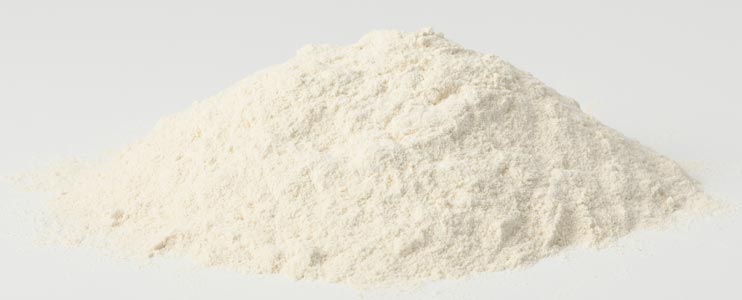
Cassava flour, derived from the starchy tuberous root of the cassava plant, is gaining popularity as a versatile gluten-free alternative in the culinary world. It offers many benefits that make it an appealing choice for those seeking a healthy and sustainable ingredient. 

Organic cassava flour, in particular, has gained attention due to its superior quality and absence of harmful chemicals or synthetic additives. As a low-carb option, cassava flour has become increasingly popular among individuals following ketogenic diets. 

Both professional bakers and home enthusiasts have begun experimenting with this gluten-free alternative for its remarkable texture and taste. Cassava flour's neutral flavor allows it to seamlessly blend with other ingredients while providing a moist and fluffy consistency to baked goods such as bread, cakes, cookies and even pancakes. 

At Onset Worldwide, we take great care in sourcing the highest quality raw materials and processing them at our SQF-certified, allergen-free facility to provide  the best cassava flour.

Why Buy Onset Worldwide's Organic Cassava Flour?

When it comes to choosing the right cassava flour, Onset Worldwide is your trusted source. We understand the importance of quality and purity and go the extra mile to ensure our products meet the highest standards.

Our Process

We start by carefully selecting the finest raw materials and working directly with farmers and processors worldwide. This rigorous selection process allows us to maintain the quality and integrity of our cassava. 
BLACK_CHIA-SEED
REQUEST MORE INFO
What’s The History of Cassava Flour?
Cassava flour, derived from the starchy tuberous root of the cassava plant (Manihot esculenta), has a rich history dating back thousands of years. Indigenous to South America, particularly Brazil, cassava has been a staple food source for many communities throughout the region.
The flour is made by grinding the peeled and dried cassava roots into a fine powder. This versatile ingredient has been used in various culinary traditions and holds significant cultural importance.

The history of cassava flour is closely intertwined with the history of the cassava plant itself. Native to South America, it was domesticated by indigenous people over 7,000 years ago.
With its ability to thrive in tropical climates and adaptability to poor soil conditions, cassava became one of the essential crops for survival in regions where other crops struggled to grow. The process of transforming fresh cassava roots into flour involves several steps, including peeling, grating or grinding, fermenting or drying, and finally, milling it into a fine powder.

Understanding the history behind cassava flour helps us appreciate its cultural significance as well as its evolution into a widely available ingredient today. From its humble beginnings in South America, it has spread across continents and found its place in diverse cuisines worldwide.   ​

Is Cassava Flour Keto?
Cassava flour has become increasingly popular, especially among those who follow a ketogenic diet. However, whether or not cassava flour is compatible with a keto lifestyle depends on its nutritional composition and effect on ketosis.

The carbohydrate content is a crucial factor in evaluating the suitability of any food for a ketogenic diet. Cassava flour is primarily derived from the starchy tuberous roots of the cassava plant, which naturally contain carbohydrates. Nonetheless, cassava flour is a gluten-free alternative to traditional wheat flour, making it an attractive option for those with gluten sensitivities or celiac disease.

However, it is important to note that cassava flour does contain carbohydrates and, therefore, must be consumed in moderation on a keto diet. One important factor to consider when incorporating cassava flour into your keto regimen is portion control. On average, one cup (120 grams) of cassava flour contains approximately 330 calories and 80 grams of carbohydrates. However, the carbohydrate content may vary slightly depending on the brand and processing methods.

Consuming large quantities of cassava flour-based baked goods or other dishes could potentially disrupt ketosis and hinder progress toward your desired metabolic state. It is also important to note that tapioca starch and tapioca flour, while similar in texture and appearance to cassava flour, are different in terms of their nutritional properties. Tapioca starch is highly refined and consists mainly of pure starch extracted from the cassava root. In contrast, cassava flour retains more fiber and nutrients due to its less refined nature, making it more suitable for individuals seeking whole-food options on their ketogenic journey.

While some individuals may choose to occasionally incorporate small amounts of organic cassava flour into their keto diets as a way to diversify their culinary experiences or add variety to their recipes, it is important to be mindful of portion sizes and overall carbohydrate intake. As with any dietary choice, consulting a healthcare professional or registered dietitian can provide personalized guidance tailored to your unique nutritional needs.  

Is Cassava Flour The Same As Tapioca Flour?
Cassava flour and tapioca flour are often used interchangeably, confusing many people. Although these two ingredients share a common origin, they have some key differences. Tapioca flour is produced by extracting the starch from the cassava root. This involves peeling and grating the cassava root, then squeezing out the starchy liquid. The liquid is then dried to form tapioca pearls or ground into a fine powder to make tapioca flour. Tapioca flour is commonly used as a thickening agent in various culinary applications, such as soups, sauces, and desserts, due to its ability to provide a glossy finish and smooth texture.

On the other hand, cassava flour undergoes an additional step in its production process. After extracting the starch from the cassava root, it is fermented and dried before finely ground into a powder. This fermentation process distinguishes cassava flour from tapioca flour and gives it a more complex flavor profile with hints of sourness. It also contributes to its characteristic texture when used in baking recipes.

It's important to note that while both tapioca and cassava flours are gluten-free options suitable for those with dietary restrictions, they differ significantly in terms of their nutrient composition. Cassava flour contains higher levels of fiber, protein, and vitamins B6 and C compared to tapioca flour. However, cassava flour also tends to have slightly more carbohydrates than tapioca flour.

Although there might be some confusion surrounding their interchangeable usage at times, it's clear that tapioca flour is distinct from cassava flour due to differences in preparation methods and nutritional profiles. Understanding these distinctions can help you make an informed choice when deciding which one to use for your specific dietary needs or culinary creations, such as bread or cakes.

If you're looking for where to buy cassava or organic cassava flour near you for your keto-friendly recipes or low FODMAP diet, it's worth checking specialty food stores, health food stores, or online retailers that offer a wide range of gluten-free and alternative flours. Additionally, many recipes with cassava flour can be found online or in cookbooks dedicated to gluten-free or grain-free baking.  
Is Cassava Flour Low Fodmap?
Cassava flour has become increasingly popular in recent years due to its gluten-free and grain-free properties, making it a great alternative for individuals who follow a keto diet. However, those who also follow a low FODMAP diet may wonder if it is safe to consume. Let's delve into this topic and explore the relationship between cassava flour and FODMAPs.

FODMAPs are a group of carbohydrates that can be difficult to digest for some individuals. They can cause symptoms such as bloating, gas, abdominal pain, and diarrhea in people with irritable bowel syndrome (IBS) or other digestive disorders. When it comes to cassava flour's FODMAP content, it is essential to differentiate between tapioca and cassava.

Tapioca is obtained from the starch extracted from cassava roots through an extensive process involving peeling, grating, washing, settling, fermenting, or sun-drying before finally being milled into fine granules known as tapioca pearls or flakes. Tapioca flour is made from these processed tapioca pearls.

Cassava flour itself is made by grinding the whole cassava root into a fine powder without any additional processing steps involved. This means that, unlike tapioca flour, cassava flour contains higher amounts of fiber and resistant starch since it retains the whole root's nutritional components.

Regarding the low FODMAP status of cassava flour itself (not tapioca), it has been classified as low FODMAP by Monash University's Low FODMAP Diet app. However, consuming large quantities may still cause digestive discomfort in sensitive individuals due to its fiber content.

It's important to note that moderation plays a key role when incorporating any food into your diet while managing digestive issues. It's advisable to consult with a registered dietitian or healthcare professional to determine your personal tolerance level for cassava flour and its potential impact on your digestive health.

Cassava flour itself is considered low FODMAP and can be suitable for individuals following the low FODMAP diet, but it is important to consider portion sizes. As always, it is recommended to listen to your body's response and work with a healthcare professional to create an individualized approach that suits your specific dietary needs.  

What Is A Substitute For Cassava Flour?
When it comes to finding a substitute for cassava flour, there are several viable options available. One of the most popular choices is tapioca flour. However, it's important to note that although cassava flour and tapioca flour are derived from the same plant, they undergo different processing methods. Tapioca flour is made by extracting starch from the cassava root, and then heating and drying it, resulting in a fine white powder. It is commonly used as a thickening agent in various recipes and has a similar texture to cassava flour. However, it lacks the fiber content found in cassava flour, which can affect the final outcome of baked goods.

Another option worth considering is almond flour. Almond flour provides a nutty flavor profile and adds moisture to baked goods. It's a popular choice among those following a keto or low-carb diet due to its low carbohydrate content compared to cassava and tapioca flours. Almond flour can be used as a 1:1 substitute for cassava flour in most recipes, although adjustments may need to be made as almond flour tends to absorb more liquid during baking.

Coconut flour is also an excellent alternative for those looking for a grain-free option. Made from dried coconut meat, coconut flour is high in fiber and relatively low in carbohydrates compared to cassava and tapioca flour. However, it has a unique texture and absorbs moisture readily, so recipes often require additional liquid ingredients when using coconut flour instead of cassava.

For individuals with specific dietary needs or restrictions such as fodmap intolerance or nut allergies, other alternatives are available, like arrowroot powder or green banana flour (which contains resistant starch). These substitutes have their own distinct characteristics when it comes to taste, texture, and nutritional composition.

While finding an exact replica of the properties of cassava flour may be challenging due to its unique qualities, such as its starchy nature, substitutes such as tapioca flour, almond flour, coconut flour, arrowroot powder, or green banana flour can be utilized depending on individual preferences and dietary requirements. Experimentation with different substitutions may be necessary to achieve the desired results in various recipes. 
Where To Buy Cassava?
If you want to buy small amounts, Cassava flour can be commonly found in grocery stores with a health foods or specialty foods section, organic stores, and online platforms. Onset Worldwide can assist with large custom orders for bulk purchases while ensuring the highest quality. Ethnic grocery stores, farmers' markets, and artisanal food shops may also offer unique options. If you can't find cassava flour, tapioca starch can be used as a substitute in some recipes.

ALSO CHECK OUT:

BLACK_CHIA-SEED
NITRO-MILLED® SUNFLOWER FLOUR
BLACK_CHIA-SEED
SUNFLOWER PROTEIN POWDER
BLACK_CHIA-SEED
SUNFLOWER SEED OIL

Your Global Supplier of Agricultural Ingredients

Onset_Worldwide_logo2

​COMPANY

​ABOUT
​
TOLL PROCESSING

PRODUCTS

SEEDS
FLOURS
PROTEIN POWDER
COLD-PRESSED OILS

RESOURCES

CONTACT
CERTIFICATES
​
FOOD SAFETY MAILING LIST
TERMS & CONDITIONS
COPYRIGHT © 2025, ALL RIGHTS RESERVED ONSET WORLDWIDE, LLC. 
​NITRO-MILL®, NITRO-PACK®,
& NITRO-SEAL® ARE ALL REGISTERED TRADEMARKS OF ONSET WORLDWIDE, LLC
This information is for general research or informational purposes only and is not a representation or warranty of any kind. This material is not intended to diagnose, treat, cure or prevent any disease. The user of this material or product is solely responsible for determining fitness for any particular use or purpose; requesting and reviewing the applicable Safety Data Sheet and its contents, ingredients and uses; and compliance with all applicable laws, rules and regulations. Onset Worldwide's standard terms and conditions apply and should be reviewed and read.