Onset Worldwide
  • Home
  • About Us
  • PRODUCTS
    • SEEDS >
      • Black Chia Seeds
      • White Chia Seeds
      • Sunflower Kernels
      • Pumpkin Kernels
      • Watermelon Kernels
      • Flax Seeds
    • FLOURS >
      • Nitro-Milled® Black Chia Flour
      • Nitro-Milled® White Chia Flour
      • Nitro-Milled® Sunflower Flour
      • Nitro-Milled® Pumpkin Flour
      • Nitro-Milled® Watermelon Flour
      • Nitro-Milled® Flax Flour
      • Cassava Flour
      • Tapioca Starch
      • Xanthan Gum
      • Sunflower Flakes
    • PROTEIN POWDERS >
      • Black Chia Seed Protein Powder
      • White Chia Seed Protein Powder
      • Sunflower Seed Protein Powder
      • Pumpkin Seed Protein Powder
      • Watermelon Seed Protein Powder
      • Flax Seed Protein Powder
    • COLD-PRESSED OILS >
      • Chia Seed Oil
      • Sunflower Seed Oil
      • Pumpkin Seed Oil
      • Watermelon Seed Oil
      • Flax Seed Oil
  • Toll Processing
  • Certifications
  • Contact
  • Blog
  • Online Orders
  • Prop 65 Calculator
  • Home
  • About Us
  • PRODUCTS
    • SEEDS >
      • Black Chia Seeds
      • White Chia Seeds
      • Sunflower Kernels
      • Pumpkin Kernels
      • Watermelon Kernels
      • Flax Seeds
    • FLOURS >
      • Nitro-Milled® Black Chia Flour
      • Nitro-Milled® White Chia Flour
      • Nitro-Milled® Sunflower Flour
      • Nitro-Milled® Pumpkin Flour
      • Nitro-Milled® Watermelon Flour
      • Nitro-Milled® Flax Flour
      • Cassava Flour
      • Tapioca Starch
      • Xanthan Gum
      • Sunflower Flakes
    • PROTEIN POWDERS >
      • Black Chia Seed Protein Powder
      • White Chia Seed Protein Powder
      • Sunflower Seed Protein Powder
      • Pumpkin Seed Protein Powder
      • Watermelon Seed Protein Powder
      • Flax Seed Protein Powder
    • COLD-PRESSED OILS >
      • Chia Seed Oil
      • Sunflower Seed Oil
      • Pumpkin Seed Oil
      • Watermelon Seed Oil
      • Flax Seed Oil
  • Toll Processing
  • Certifications
  • Contact
  • Blog
  • Online Orders
  • Prop 65 Calculator

SUNFLOWER KERNELS


​Organic & Conventional
Raw & RTE
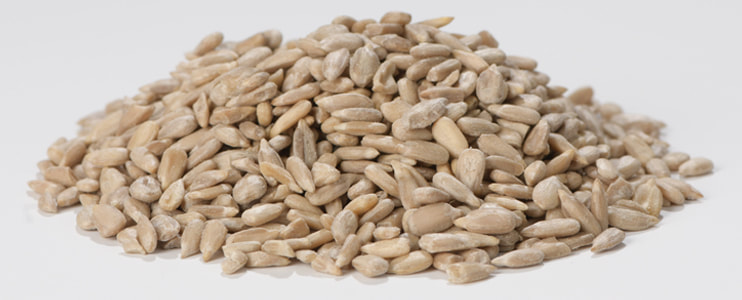
Sunflower kernels, commonly known as sunflower seeds, are the edible, heart-shaped inner parts of sunflowers. These nutrient-rich kernels are a good source of healthy fats, protein and essential vitamins, making them a popular and versatile snack and ingredient worldwide. At Onset Worldwide, we take great care in sourcing the highest-quality raw materials and processing them at our SQF-certified, allergen-free facility to provide the best sunflower kernels.

Why Buy Onset Worldwide's Sunflower Kernels?

Not all sunflower kernels are created equal. We source the highest-quality raw material by working directly with farmers and processors from all over the globe. We carefully select those who meet our strict quality standards and import the seed directly to our SQF-certified, allergen-free facility.

Our Process

For retail customers, we recommend using seeds that have been recleaned and repacked at our facility. While reprocessing the seeds at our facility, the product passes through rare earth magnets, screens, metal detection and more. These steps boost seed purity from 99.95%  up to 99.99%, removing almost 18 lb. of unwanted sticks, stems, clumps and other foreign matter per full truckload. With Onset Worldwide, you can be assured that your sunflower kernels are always of the highest quality and have no impurities.

SUNFLOWER KERNELS

Nutrition Highlights


21g Protein
20g Carbohydrates
51g Fat
9g Fiber
REQUEST MORE INFO
What Are the Benefits of Sunflower Kernels?
Sunflower kernels, also known as sunflower seeds, are not just a popular snack but also a nutrient-dense food with numerous health benefits. Packed with essential vitamins, minerals, and healthy fats, these tiny yet mighty kernels can contribute to your overall well-being in several ways. Firstly, sunflower kernels are an excellent source of vitamin E. This potent antioxidant plays a crucial role in protecting our cells from the damaging effects of free radicals and oxidative stress.

By neutralizing these harmful compounds, vitamin E helps reduce the risk of chronic diseases such as heart disease and certain types of cancer. Furthermore, sunflower kernels are rich in protein.
Sunflower kernels contain all nine essential amino acids that your body cannot produce on its own. Protein is instrumental in building and repairing tissues, supporting muscle growth, and maintaining overall strength and vitality. In addition to protein, sunflower kernels are abundant in healthy fats. These include monounsaturated fats like oleic acid and polyunsaturated fats like linoleic acid. Both fats have been associated with numerous health benefits, such as promoting heart health by reducing bad cholesterol levels and improving insulin sensitivity. Moreover, sunflower kernels provide a significant amount of dietary fiber. Fiber is essential for maintaining digestive health as it aids in proper digestion and prevents constipation. It also helps regulate blood sugar levels by slowing down the absorption of sugar into the bloodstream.
​
On top of all these nutritional benefits, sunflower kernels are an excellent source of minerals such as magnesium, selenium, copper, and zinc. These minerals are critical in supporting numerous bodily functions such as bone health, immune system function, energy production, and antioxidant activity.  
What’s the History of Sunflower Kernels?
Sunflower kernels, also known as sunflower seeds, have a rich and fascinating history that dates back thousands of years. Native to North America, specifically the region that comprises modern-day Mexico and the southwestern United States, sunflowers were an integral part of the indigenous cultures that thrived in these areas. The Aztecs and other Native American tribes considered sunflowers sacred and valued them for their various uses.

The cultivation of sunflowers by Native Americans can be traced back as early as 3000 BCE. These ancient civilizations recognized the versatility of sunflowers, utilizing different parts of the plant for sustenance, medicinal purposes, and even spiritual rituals.

The leaves were used to make tea, believed to alleviate respiratory ailments, while the dried stalks served as fuel for cooking fires. The seeds were cherished for their nutritional value and were often consumed raw or ground into a paste to be mixed with other ingredients. Moreover, they held ceremonial importance and played a role in religious ceremonies and celebrations.

As European explorers arrived in the Americas during the 16th century, they discovered this remarkable crop and recognized its potential. Sunflowers quickly made their way across continents through trade routes established during the Age of Exploration.

By the 18th century, sunflowers had reached Russia, where they flourished due to favorable climatic conditions. Russian farmers began cultivating these plants on a larger scale for both oil production from their seeds and animal feed.
​

It was not until centuries later that technological advancements led to further developments in processing sunflower kernels. In the late 19th century, mechanical devices were introduced to efficiently shell sunflower seeds at an industrial scale – marking a significant milestone in enhancing their commercial viability.

Today, owing to their delightful taste, nutritional value, versatility in culinary applications, and essential role as an ingredient in bird feed, sunflower kernels continue to be a beloved snack enjoyed by many across the globe. The long and captivating history of sunflower kernels showcases their enduring significance. It demonstrates how they have evolved from a sacred crop in ancient civilizations to a widely consumed delicacy in modern times.  
How Many Seeds Are in a Sunflower?
A single sunflower head can contain an impressive number of seeds, ranging from 1,000 to 2,000 on average. However, under optimal conditions and with larger cultivars, this number can soar to an astounding 4,000 seeds or more. This sheer abundance highlights the sunflower's ability to reproduce efficiently and ensures a bountiful supply of its coveted kernels.

Each sunflower consists of numerous individual flowers arranged in a spiral pattern on its central disk. These individual flowers are called florets and are responsible for producing the seeds we know as sunflower kernels. The outermost row of florets, known as ray flowers, plays no role in seed production but adds to the beauty of the plant. Within each floret lies an ovary that develops into a fruit known as an achene – what we commonly refer to as a seed. The achene is encased in a protective shell called the pericarp and possesses distinct characteristics that contribute to its role as both nourishment for birds and humans.
As the blooming season progresses, pollination occurs when bees transfer pollen from one flower's male reproductive organs (anther) to another flower's female reproductive organ (stigma). This process facilitates fertilization inside each individual floret's ovary and subsequently triggers seed development. The ultimate result is an intricate mesh of fertilized ovaries within each sunflower head that will mature into seeds over time. As these seeds grow and develop inside their respective florets, they undergo various physiological changes until reaching maturity.

Once the sunflower head begins to dry out and wilt, it indicates that the seeds within are ready for harvest. Given the vast number of florets in a single sunflower head and the remarkable fertility of each individual ovary, it becomes evident why sunflowers yield such an abundant harvest of seeds.   
How Long Are Sunflower Seeds Good For?
Sunflower seeds have a limited shelf life. Understanding how long sunflower seeds remain good for consumption is essential to ensure their freshness and optimize their nutritional value.
The shelf life of sunflower seeds can vary depending on various factors such as storage conditions, packaging, and the level of processing they have undergone. Unopened packages of commercially packaged sunflower seeds typically have a longer shelf life than those bought in bulk or open containers.


When stored properly in a cool, dry place away from direct sunlight, unopened packages of sunflower seeds can last for around six months to one year. Once the package is opened, transferring the seeds into an airtight container or resealable bag to maintain their freshness is crucial.


Stored correctly in this manner, opened sunflower seed packages can remain good for about three to four months. However, it is important to note that these timeframes are approximate and serve as general guidelines.


Factors such as temperature fluctuations and exposure to moisture can significantly impact the longevity of sunflower seeds. High temperatures can accelerate rancidity and spoilage of the natural oils present in the seeds, leading to off-flavors and decreased nutritional quality.
Therefore, storing sunflower seeds at temperatures below 70°F (21°C) is recommended. Additionally, minimizing exposure to humidity is crucial since moisture can promote mold growth on the seed's surface.


To extend the shelf life of sunflower kernels further, some individuals prefer refrigerating or freezing them. While refrigeration can help slow down rancidity and preserve taste for a longer period (upwards of one year), freezing offers even greater longevity (upwards of two years).
However, it's important to note that fluctuations in temperature during thawing might affect texture. Proper storage practices play a pivotal role in maintaining the freshness and quality of sunflower seeds.


By storing them in a cool, dry place away from direct sunlight, transferring them to airtight containers once opened, and considering refrigeration or freezing for long-term storage, individuals can maximize the shelf life of these nutritious kernels. It is advisable to pay attention to any signs of spoilage, such as an off smell, rancid taste, or mold growth, and discard sunflower seeds that exhibit these characteristics.  


ALSO CHECK OUT:

NITRO-MILLED SUNFLOWER FLOUR
NITRO-MILLED® SUNFLOWER FLOUR
SUNFLOWER PROTEIN POWDER
SUNFLOWER SEED OIL
SUNFLOWER SEED OIL

Your Global Supplier of Agricultural Ingredients

Onset_Worldwide_logo2

​COMPANY

​ABOUT
​
TOLL PROCESSING

PRODUCTS

SEEDS
FLOURS
PROTEIN POWDER
COLD-PRESSED OILS

RESOURCES

CONTACT
CERTIFICATES
​
FOOD SAFETY MAILING LIST
TERMS & CONDITIONS
COPYRIGHT © 2025, ALL RIGHTS RESERVED ONSET WORLDWIDE, LLC. 
​NITRO-MILL®, NITRO-PACK®,
& NITRO-SEAL® ARE ALL REGISTERED TRADEMARKS OF ONSET WORLDWIDE, LLC
This information is for general research or informational purposes only and is not a representation or warranty of any kind. This material is not intended to diagnose, treat, cure or prevent any disease. The user of this material or product is solely responsible for determining fitness for any particular use or purpose; requesting and reviewing the applicable Safety Data Sheet and its contents, ingredients and uses; and compliance with all applicable laws, rules and regulations. Onset Worldwide's standard terms and conditions apply and should be reviewed and read.