Flax Seed OilOrganic & Conventional
Flaxseed oil is renowned for its nutritional richness and health benefits. Packed with alpha-linolenic acid (ALA), a form of omega-3 fatty acids, our organic flaxseed oil is a plant-based oil alternative to fish oil, making it an excellent choice for vegetarians and vegans. Omega-3 fatty acids are essential for heart health, cognitive function, and overall well-being. Additionally, organic flaxseed oil is a rich source of lignans, which are plant compounds with antioxidant properties that may contribute to various health benefits. Whether incorporated into salads and smoothies or taken as a dietary supplement, organic flaxseed oil is a versatile and nutritious addition to a balanced diet, promoting wellness from the inside out. At Onset Worldwide, we take great care in sourcing the highest quality raw materials and processing them in our SQF-certified, allergen-free facility to provide you with the best flaxseed oil.
Why Buy Onset Worldwide's Organic Flaxseed Oil?When it comes to choosing the best flaxseed oil, Onset Worldwide is your trusted source. We can tailor our product to meet your exact needs with custom quantities of organic cold pressed flax seed oil or conventional flax seed oil. We understand the importance of quality and purity, and we go the extra mile to ensure our products meet the highest standards.
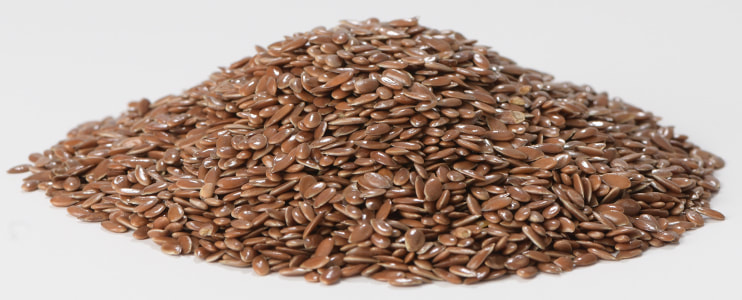
Our ProcessOnset Worldwide employs cold-pressing techniques on both whole organic flax seed and conventional flax seed to produce the highest quality flax seed oil. This method is crucial for preserving the oil's natural color, aroma, and nutritional content, distinguishing it from traditional methods that use high heat and solvents. Operating from an SQF-certified, allergen-free facility in New Jersey, our organic flax seed oil production meets stringent quality standards. Thanks to our Siftex® Cleaning System and state-of-the-art facility, we can reliably deliver premium and safe organic cold pressed flax seed oil. |
Where does linseed oil come from?
Linseed oil is derived from the seeds of the flax plant, scientifically known as Linum usitatissimum. The oil is extracted from the mature, dried seeds of the flax plant through a process known as cold pressing. This method involves mechanically pressing the seeds to release the oil without exposing them to high temperatures, preserving the oil's nutritional integrity. Linseed oil has various applications, including its use as a wood finish, a component in paints and varnishes, and as a nutritional supplement due to its rich content of omega-3 fatty acids.
Linseed vs Flaxseed?
"Linseed" and "flaxseed" are terms often used interchangeably, but they can have different connotations depending on the context.
Botanical Context: Linseed: This term is commonly used to refer to the flax plant's seeds (Linum usitatissimum) when they are primarily cultivated for industrial purposes, such as the production of linseed oil used in paints, varnishes, and wood finishes. Flaxseed: When the seeds are cultivated for human consumption, either in whole or oil form, they are more commonly referred to as flaxseed. Flaxseed is popular in various diets due to its nutritional benefits. Usage: Linseed: Typically associated with industrial applications, linseed is used in the manufacturing of linseed oil and other non-food products. Flaxseed: Often used in the context of health and nutrition, flaxseed refers to the seeds that are consumed for their rich content of omega-3 fatty acids, lignans, and other nutrients. In essence, the distinction between linseed and flaxseed lies in their primary use and context—linseed is more associated with industrial purposes, and flaxseed is the term commonly used in the context of human consumption and nutrition. It's worth noting that while the terms may have different connotations, they fundamentally refer to the same seeds from the flax plant. What is linseed oil?
Linseed oil is a vegetable oil derived from the seeds of the flax plant, scientifically known as Linum usitatissimum. It is also commonly referred to as flaxseed oil, and the terms are often used interchangeably. Linseed oil is obtained through a process called cold pressing, where the seeds are mechanically pressed to extract the oil without exposing them to high temperatures.
What’s the history of Flax seed oil?
Flaxseed oil has a rich and diverse history that spans across different cultures and millennia. In ancient Egypt, flax cultivation was not only meant for textile production but also for nutritional purposes, as evident in the consumption of flaxseed oil. The Greeks and Romans also recognized the medicinal benefits of flaxseeds and utilized them in treatments, while concurrently using them for textile purposes. During the Middle Ages, flaxseed oil became highly prized for its ability to preserve and protect wood and leather. The Renaissance period saw an increased understanding of the health benefits of flaxseed oil, leading to its incorporation into culinary and medicinal practices. With technological advances in the 19th and 20th centuries, commercial production of flaxseed oil became more efficient, particularly for industrial uses such as paints and varnishes. Nowadays, flaxseed oil is renowned for its nutritional value, particularly as a plant-based source of omega-3 fatty acids. Its significance throughout history highlights its multifaceted role in health, medicine, and industry.
|