Nitro-Milled® Flax FlourOrganic Only
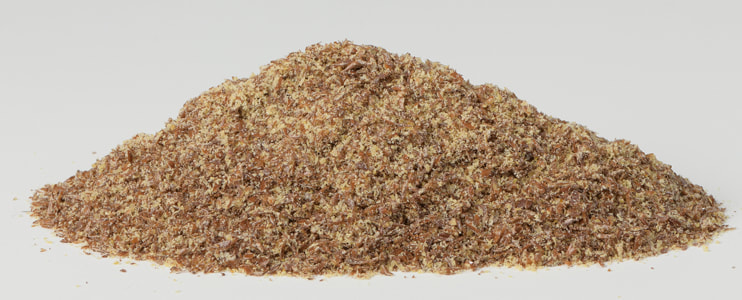
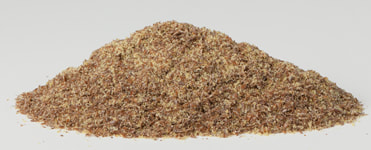
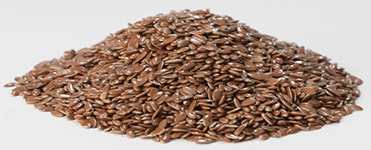
Raw & RTE Flaxseed flour is a nutrient-dense and versatile ingredient that has gained popularity in the realm of healthy eating. Made by grinding flaxseeds into a coarse meal, flax flour is rich in essential nutrients such as omega-3 fatty acids, fiber and lignans, which have antioxidant properties. This gluten-free flour is an excellent source of plant-based protein, making it a favored choice for those seeking alternative protein options. Its mild, nutty flavor makes it adaptable for various culinary applications, from baking to cooking. Flax flour adds a nutritional boost to recipes, providing a coarser texture than traditional flours and imparting a subtle nuttiness. Due to its high fiber content, flax flour may support digestive health and promote a feeling of fullness. At Onset Worldwide, we take great care in sourcing the highest quality raw materials and processing them at our SQF-certified, allergen-free facility to provide the best flax flour.
Why Buy Onset Worldwide's Nitro-Milled® Flaxseed Flour?When it comes to choosing the right flaxseed flour, Onset Worldwide is your trusted source. We understand the importance of quality and purity and go the extra mile to ensure our products meet the highest standards. We start by sourcing the highest quality raw materials to produce our flaxseed flour. We work with farmers and processors from all over the globe, carefully selecting those who meet our strict quality standards. We then directly import the seeds to our facility for processing. With our proprietary processing methods, we produce both conventional and organic flaxseed flours that are always of the highest quality.
Our ProcessWe process the seeds in-house at our facility to achieve the highest-quality, pure flaxseed flour. Our production lines have strategically placed rare earth magnets with one of the highest pull strengths on the market. Each line has state-of-the-art inline metal detection and optional end-of-line metal detection for additional peace of mind. The recleaned seeds are then milled through our proprietary Nitro-Milling® process, specifically engineered to mill seeds with high oil content. |
What Are The Benefits Of Nitro-milled Flax Flour?
Flax flour is a superfood that provides a wide range of health benefits, making it an excellent addition to a balanced diet. One of the most significant advantages of flax flour is its high omega-3 fatty acid content, particularly alpha-linolenic acid (ALA), which promotes heart health and may help reduce inflammation. Moreover, flax flour is an excellent dietary fiber source, containing soluble and insoluble fibers that support digestion, promote satiety, and help regulate blood sugar levels. The presence of antioxidants, especially lignans, helps protect cells from free radical damage, promoting overall health and well-being. Flax flour is also an excellent gluten-free alternative for baking and cooking without compromising taste or texture.
Additionally, it is a good source of plant-based protein, making it an excellent option for vegetarians and vegans looking for high-quality protein sources. Lastly, since flax flour is low in carbohydrates, it is suitable for individuals following low-carb or ketogenic diets. However, it is essential to consume flax flour moderately and incorporate it into a diverse diet, and people with specific health conditions should consult healthcare professionals before making significant dietary changes. What Is The History Of Flax Flour?
The use of flaxseed dates back thousands of years, and the history of flax flour is closely tied to the cultivation and utilization of flaxseeds. Flax, known scientifically as Linum usitatissimum, is one of the oldest cultivated crops, with evidence suggesting its cultivation as early as 3000 BCE in ancient Babylon. Ancient civilizations, including those of Mesopotamia, Egypt, and China, recognized the value of flax for both its fibers and seeds.
The cultivation of flax for its seeds, specifically for the oil extracted from them, became prominent in various cultures. In medieval Europe, flaxseeds were used not only for oil but also as a food source. The seeds were ground into a coarse meal, and this precursor to flax flour found its way into traditional European foods. Over time, with advancements in processing techniques, flax flour became more refined, and its use expanded. In recent years, as awareness of the health benefits of flaxseeds has grown, flax flour has gained popularity as a nutritious ingredient. Its rich omega-3 fatty acid content, high fiber levels, and versatility in recipes contribute to its appeal among health-conscious consumers. Today, flax flour is readily available in health food stores and supermarkets, catering to a diverse range of dietary preferences. It has become a staple in gluten-free and vegan baking, providing a wholesome and nutrient-dense alternative to traditional flours. The history of flax flour reflects the enduring recognition of the nutritional value of flaxseeds and their adaptation into contemporary dietary practices. What Is The Difference Between Flax Flour and
Regular Flour? Answer to question 2
|