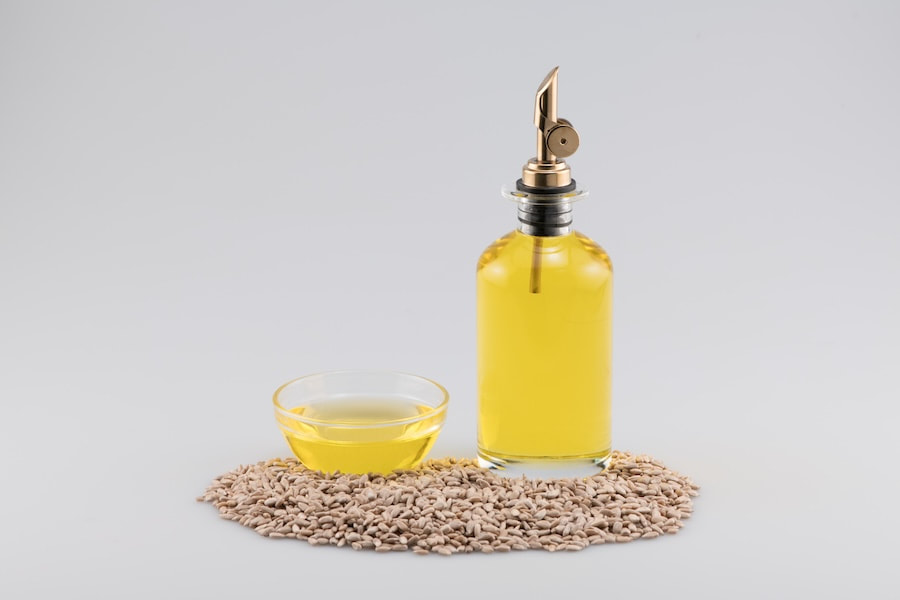
Sunflower Seed OilSunflower seed oil is a versatile and nutrient-rich oil that has found its way into a wide range of products, from personal care items and cosmetics to nutraceuticals and food products. Sunflower oil has become a staple in many households and industries with its clear pale-yellow color, typically odorless properties, and rich content of vitamins E and A. At Onset Worldwide, we take great care in sourcing the highest quality raw materials and processing them in our SQF-certified, allergen-free facility to provide you with the best organic sunflower seed oil.
Why Buy Onset Worldwide's Organic Sunflower Seed Oil?When it comes to choosing the right organic sunflower seed oil, Onset Worldwide is your trusted source. We understand the importance of quality and purity and go the extra mile to ensure our products meet the highest standards. We start by sourcing the highest quality raw material to produce our organic sunflower oil. We work with farmers and processors from all over the globe, carefully selecting those that meet our strict quality standards. We then import the seed directly to our SQF-certified, allergen-free facility for processing. Our proprietary processing methods ensure that the result is always the highest quality cold-pressed, pure organic sunflower seed oil.
Our ProcessSunflower oil is made by cold-pressing whole sunflower kernels to extract the oil. The oil is then filtered to remove impurities, yielding a high-quality oil. By cold-pressing the seed, we preserve more of the natural color, odor, and nutrition of the oil when compared to traditional methods using high heat and solvents. |
What are the Benefits of Organic Sunflower Oil?
Organic sunflower oil is not just a versatile cooking oil but also offers numerous health benefits.
First and foremost, one of the primary benefits of organic sunflower oil lies in its high concentration of monounsaturated fats. These heart-healthy fats help promote cardiovascular health by reducing bad cholesterol levels (LDL) while increasing good cholesterol levels (HDL). By doing so, organic sunflower oil aids in maintaining proper blood pressure and reducing the risk of heart disease. Organic sunflower oil is also an excellent source of vitamin E, a powerful antioxidant vital in promoting overall well-being. Vitamin E helps protect our cells from damage caused by free radicals, which are unstable molecules that can lead to chronic diseases like cancer and cardiovascular problems. In addition to its antioxidant properties, vitamin E supports healthy skin by nourishing and hydrating it from within. Regular consumption or use of organic sunflower oil can help improve skin elasticity, reduce signs of aging such as wrinkles and fine lines, and even alleviate dryness or irritation. Another notable benefit of organic sunflower oil is its impressive content of essential fatty acids, particularly linoleic acid or omega-6 fatty acids. These fatty acids play a crucial role in maintaining brain function by supporting the growth and development of nerve cells. Additionally, they contribute to producing hormone-like substances called prostaglandins that regulate various bodily functions such as blood clotting and inflammation response. Furthermore, organic sunflower oil contains natural antioxidants such as phenolic compounds that exhibit anti-inflammatory properties. This makes it beneficial for individuals with inflammatory conditions like arthritis or asthma, as it may help reduce symptoms associated with these ailments. Unlike many other cooking oils available on the market today, organic sunflower oil has a relatively high smoke point. This means it can withstand higher temperatures without breaking down and releasing harmful compounds. It is an excellent choice for cooking methods that require high heat, such as sautéing, frying, or baking. Incorporating organic sunflower oil into one’s diet provides many health benefits. Is Sunflower Oil Gluten-Free?
Yes, sunflower oil is naturally gluten-free, making it suitable for those with gluten sensitivities or celiac disease.
What Is The History Of Sunflower Oil?
Sunflower oil, derived from the seeds of the sunflower plant (Helianthus annuus), has a rich and fascinating history that dates back thousands of years. Its journey begins in North America, believed to be the birthplace of wild sunflowers. Native American tribes were among the first to recognize sunflower seeds' potential as a valuable oil source. They would crush the seeds and apply them topically for their moisturizing properties and utilize them in cooking.
As European explorers ventured into North America, they encountered these remarkable flowers and brought their findings back to Europe. However, it wasn't until the 18th century that sunflower cultivation for oil production gained significant attention. The Russian Empire played a vital role in this development, with Peter the Great encouraging the widespread cultivation of sunflowers across his lands. The Russian climate proved particularly favorable for growing sunflowers, leading to an abundance of seeds that could be pressed to produce high-quality oil. This marked a turning point in the history of sunflower oil production, leading to its popularity spreading beyond Russia's borders. In later years, during World War II, Europe faced severe shortages in essential edible oils due to trade disruptions caused by conflict. Sunflower oil emerged as a valuable alternative because it could be extracted domestically cheaply. This led to increased cultivation and processing efforts throughout many European countries. Over time, technological advancements further improved sunflower oil extraction methods. Traditional methods involved crushing or pressing seeds using mechanical means like screw presses or stone mills. Modern techniques now employ hydraulic press machines that exert immense pressure on the seeds and expel more oil efficiently. It is also worth noting that with increasing health consciousness among consumers over recent decades, there has been a growing demand for healthier cooking oils with lower saturated fat content compared to traditional options like palm or coconut oil. Sunflower oil has gained traction due to its relatively low levels of harmful saturated fats and high content of beneficial unsaturated fats such as linoleic acid. The history of sunflower oil is deeply rooted in the cultures of Native Americans and its subsequent introduction to Europe through exploration and colonization. From humble beginnings as a topical moisturizer, it has evolved into a widely consumed cooking oil with a significant presence in modern culinary practices. The journey of sunflower oil showcases both the cultural significance and technological advancements that have shaped its production over time. Is Sunflower Oil Paleo?
Sunflower oil is generally considered acceptable within the paleo diet, as it is plant-based and doesn't contain dairy, grains, or legumes. However, individual dietary preferences may vary.
Olive Oil vs. Sunflower Oil
Olive oil and sunflower oil are both popular cooking oils, but they have some differences. Sunflower oil has a higher smoke point, making it suitable for high-heat cooking methods like frying and sautéing. On the other hand, olive oil is known for its distinct flavor and is often used in salad dressings and lower-heat cooking. The choice between the two depends on your culinary needs and personal preferences.
|