Onset Worldwide
  • Home
  • About Us
  • PRODUCTS
    • SEEDS >
      • Black Chia Seeds
      • White Chia Seeds
      • Sunflower Kernels
      • Pumpkin Kernels
      • Watermelon Kernels
      • Flax Seeds
    • FLOURS >
      • Nitro-Milled® Black Chia Flour
      • Nitro-Milled® White Chia Flour
      • Nitro-Milled® Sunflower Flour
      • Nitro-Milled® Pumpkin Flour
      • Nitro-Milled® Watermelon Flour
      • Nitro-Milled® Flax Flour
      • Cassava Flour
      • Tapioca Starch
      • Xanthan Gum
      • Sunflower Flakes
    • PROTEIN POWDERS >
      • Black Chia Seed Protein Powder
      • White Chia Seed Protein Powder
      • Sunflower Seed Protein Powder
      • Pumpkin Seed Protein Powder
      • Watermelon Seed Protein Powder
      • Flax Seed Protein Powder
    • COLD-PRESSED OILS >
      • Chia Seed Oil
      • Sunflower Seed Oil
      • Pumpkin Seed Oil
      • Watermelon Seed Oil
      • Flax Seed Oil
  • Toll Processing
  • Certifications
  • Contact
  • Blog
  • Online Orders
  • Prop 65 Calculator
  • Home
  • About Us
  • PRODUCTS
    • SEEDS >
      • Black Chia Seeds
      • White Chia Seeds
      • Sunflower Kernels
      • Pumpkin Kernels
      • Watermelon Kernels
      • Flax Seeds
    • FLOURS >
      • Nitro-Milled® Black Chia Flour
      • Nitro-Milled® White Chia Flour
      • Nitro-Milled® Sunflower Flour
      • Nitro-Milled® Pumpkin Flour
      • Nitro-Milled® Watermelon Flour
      • Nitro-Milled® Flax Flour
      • Cassava Flour
      • Tapioca Starch
      • Xanthan Gum
      • Sunflower Flakes
    • PROTEIN POWDERS >
      • Black Chia Seed Protein Powder
      • White Chia Seed Protein Powder
      • Sunflower Seed Protein Powder
      • Pumpkin Seed Protein Powder
      • Watermelon Seed Protein Powder
      • Flax Seed Protein Powder
    • COLD-PRESSED OILS >
      • Chia Seed Oil
      • Sunflower Seed Oil
      • Pumpkin Seed Oil
      • Watermelon Seed Oil
      • Flax Seed Oil
  • Toll Processing
  • Certifications
  • Contact
  • Blog
  • Online Orders
  • Prop 65 Calculator

Protein Powders

Protein powder, a popular dietary supplement, is a concentrated source of protein extracted from various sources such as whey, soy, or pea. Widely utilized by athletes and fitness enthusiasts, protein powder offers a convenient and efficient way to boost protein intake, supporting muscle growth, recovery, and overall nutritional needs. At Onset Worldwide, we take great care in sourcing the highest quality raw materials and processing them in our SQF-certified, allergen-free facility to provide you with the best low-cholesterol protein powder.

Why Buy Onset Worldwide's Protein Powder?

When it comes to choosing the right organic protein powder, Onset Worldwide is your trusted source. We understand the importance of quality and purity and go the extra mile to ensure our products meet the highest standards. ​We can deliver products within days of production, beating the freshness of any imported powder in the market.

​Our plant-based protein powders are some of our most popular products. Some of our best-selling protein powders include sunflower seed protein, watermelon seed protein, and pumpkin seed protein. Our bulk protein powder has many health benefits and can be added to drinks and other recipes for an instant protein boost.


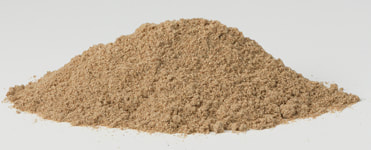
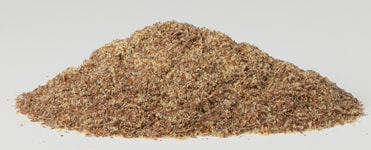
Black Chia Protein Powder

Black Chia Protein Powder

​Organic & Conventional
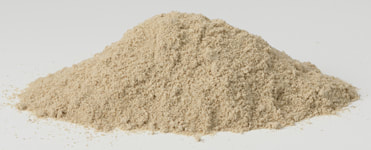
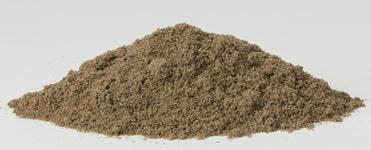
White Chia Protein Powder

White Chia Protein Powder

​Organic & Conventional
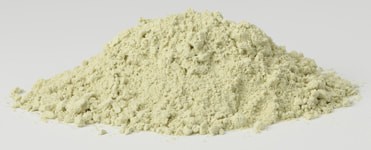
Sunflower Protein Powder

Sunflower Protein Powder

​Organic & Conventional
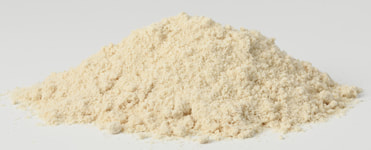
Pumpkin Protein Powder

Pumpkin Protein Powder

​Organic & Conventional
Watermelon Protein Powder

Watermelon Protein Powder

​Organic & Conventional
Flax Protein

Flax Protein

Powder

​Organic Only

Our Process

The process of manufacturing our proteins starts with the quality of our kernels. We use  99.99% pure product that is cleaned in our state-of-the-art New Jersey SQF facility. Once the kernels pass our QA inspection and 3rd party lab testing, the kernels are moved over to our cold-pressing production line, where the oil is removed from the kernels. The remaining material, referred to as press cake, is rich in protein and other nutrients. That material is then milled into a fine powder. That powder is then packaged in custom bags and won't be released or shipped to customers globally until a complete COA (Certificate of Analysis) is completed by our 3rd party lab for the second or 3rd time in our supply chain.

Benefits of Protein Powder

Protein powder is a popular dietary supplement that provides a concentrated source of protein, a macronutrient essential for various bodily functions. Here are some benefits associated with the consumption of protein powder:
  • Muscle Building and Repair: Protein is crucial for muscle synthesis and repair. Individuals engaged in resistance training or other forms of intense physical activity often use protein powder to support muscle growth and recovery.
  • Convenience: Protein powder offers a convenient and quick way to ensure that individuals can meet their dietary protein requirements and increase protein intake, especially for individuals with busy lifestyles who may struggle to meet their protein needs through whole foods alone.
  • Weight Management: Protein helps promote feelings of satiety, which can aid in weight management by reducing overall calorie intake. It also plays a role in preserving lean muscle mass during weight loss.
  • Athletic Performance: Athletes often use protein supplements to support their training and performance goals. Protein is essential for energy production, and having an adequate supply can enhance endurance and strength.
  • Recovery after Exercise: Consuming protein after a workout helps replenish amino acids lost during exercise and supports the recovery process. This can help reduce muscle soreness and improve the overall recovery time.
  • Nutrient Density: Protein powders are a concentrated source of protein without the additional fats and carbohydrates found in some whole-food protein sources. This makes them a nutrient-dense option for those looking to increase protein intake without consuming excess calories.
  • Contribution to Overall Nutrition: Protein is essential for various bodily functions beyond muscle health, including the maintenance of skin, hair, and nails. It also plays a role in the production of enzymes, hormones, and antibodies.
  • Versatility: Protein powders can be easily incorporated into a variety of recipes, such as smoothies, oatmeal, or baked goods, making it simple to diversify one's diet while still meeting protein needs.
  • Specialized Formulas: There are various types of protein powders, such as whey, casein, soy, pea, and others. This variety allows individuals with specific dietary preferences or restrictions (e.g., lactose intolerance, vegetarian or vegan diets) to choose a protein source that aligns with their needs.
It's important to note that while protein powder can be a convenient and effective supplement, it should not replace whole food sources of protein in a balanced diet. Additionally, individuals should consult with a healthcare or nutrition professional before adding supplements to their routine, especially if they have underlying health conditions.

Common Questions

What Are The Ingredients To Avoid In Protein Powder?
When it comes to choosing the right protein powder, it is essential to be vigilant about the ingredients used in its formulation. Many mainstream protein powders have dangerous additives and contain ingredients that can actually damage your health. At Onset Worldwide, our stringent quality assurance protocols and our commitment to never using additives keep our protein powders pure and safe.

One crucial aspect to consider is avoiding protein powders with added sugars. While a touch of sweetness might be appealing, added sugars can significantly increase the product's calorie content. Opting for a protein powder with no sugar added ensures you are not unknowingly consuming excessive calories or promoting unhealthy blood sugar spikes. In addition to avoiding added sugars, it is vital to avoid protein powders containing heavy metals.
Heavy metals like lead, arsenic, cadmium, and mercury can find their way into protein powders through raw materials or manufacturing processes. Long-term exposure to these substances can pose serious health risks.

To ensure your safety and well-being, look for protein powders without heavy metals by checking for third-party lab testing certifications that confirm low levels of these contaminants. Moreover, opting for a low-calorie protein powder can be beneficial if you are watching your calorie intake or aiming for weight loss goals. Low-calorie alternatives provide an excellent source of lean protein while helping you maintain a caloric deficit. These types of proteins are often lower in fat as well.

Individuals with sensitive stomachs should avoid certain ingredients commonly found in protein powders that could trigger digestive issues such as bloating or gas. Ingredients like lactose and artificial sweeteners such as sucralose or maltodextrin are problematic for those with sensitive stomachs. In such cases, choosing a simple protein powder without unnecessary additives is advisable. When selecting a high-quality, low-cholesterol protein powder, avoiding ingredients like added sugars and heavy metals that may compromise its nutritional value and overall safety profile is crucial. By being conscious of these ingredients to avoid, you can choose a protein powder that aligns with your health goals and keeps you feeling your best.  

What Is The Best Protein Powder For Sensitive Stomachs?
When it comes to selecting the best protein powder for sensitive stomachs, there are a few key factors to consider.

Firstly, avoiding protein powders containing artificial sweeteners such as sucralose or aspartame is important. These sweeteners are known to cause digestive issues like bloating and gas in some individuals with sensitive stomachs. Instead, look for protein powders that are naturally sweetened with sources like stevia or monk fruit extract.


Another consideration for those with sensitive stomachs is selecting a protein powder without heavy metals or allergens. Some lower-quality brands may contain traces of heavy metals like lead or arsenic, which can irritate the digestive system and have long-term health implications.
Choosing a reputable brand that conducts rigorous testing for heavy metals and other contaminants is essential. Moreover, individuals with sensitive stomachs may benefit from low-calorie and high-fiber protein powders. These options provide a lighter, easier digestive system alternative, offering necessary nutrition and satiety. Additionally, gluten-free protein powders are suitable for individuals with gluten sensitivities or celiac disease.
Determining the best protein powder for those with sensitive stomachs involves carefully considering various factors, such as avoiding ingredients that could trigger digestive distress. Opting for natural sweeteners instead of artificial ones and selecting sugar-free options can help alleviate discomfort associated with sensitive stomachs. Furthermore, being mindful of heavy metal contamination in certain brands ensures optimal safety and well-being. Low-calorie options, high-fiber content, and gluten-free formulations add to the overall suitability for individuals with sensitive stomachs. 
What’s The History of Protein Powder?
Protein powder has become a staple in the fitness industry, but its history reaches back much further than one might expect. The concept of protein supplementation dates back to the early 20th century when scientists and nutritionists began exploring the benefits of consuming isolated protein sources. In the 1930s, researchers discovered that protein powders derived from milk and eggs could promote muscle growth and aid in recovery. This led to the development of early protein powders, which athletes and bodybuilders primarily used.

The popularity of protein powder grew significantly in the 1950s thanks to advancements in food processing technology. This allowed for the production of more refined and easily digestible powders. Whey protein emerged as a popular choice during this time due to its high nutritional value and rapid absorption rate. As the demand for protein powders increased, manufacturers started experimenting with different types of proteins, such as soy, pea, hemp, and rice proteins.

Recently, protein powder has evolved beyond its original purpose as a supplement for athletes. With growing awareness about nutrition and health-conscious lifestyles, people from various backgrounds have begun incorporating it into their daily routines.

The market now offers an extensive range of options for people with specific dietary needs or preferences - be it low-calorie protein powder for weight management or gluten-free protein powders for individuals with gluten sensitivities. The history of protein powder is closely intertwined with scientific research on nutrition and advancements in food technology.
It has become an essential component in many individuals' pursuit of a healthy lifestyle by providing a convenient way to efficiently meet their daily protein requirements. As we delve deeper into understanding different types of proteins and their impact on our bodies, it is exciting to see how this versatile product will continue to evolve and cater to diverse nutritional needs while ensuring quality standards are met through rigorous testing for heavy metals or harmful substances that should be avoided in any reputable brand's manufacturing process. 

Your Global Supplier of Agricultural Ingredients

Onset_Worldwide_logo2

​COMPANY

​ABOUT
​
TOLL PROCESSING

PRODUCTS

SEEDS
FLOURS
PROTEIN POWDER
COLD-PRESSED OILS

RESOURCES

CONTACT
CERTIFICATES
​
FOOD SAFETY MAILING LIST
TERMS & CONDITIONS
COPYRIGHT © 2025, ALL RIGHTS RESERVED ONSET WORLDWIDE, LLC. 
​NITRO-MILL®, NITRO-PACK®,
& NITRO-SEAL® ARE ALL REGISTERED TRADEMARKS OF ONSET WORLDWIDE, LLC
This information is for general research or informational purposes only and is not a representation or warranty of any kind. This material is not intended to diagnose, treat, cure or prevent any disease. The user of this material or product is solely responsible for determining fitness for any particular use or purpose; requesting and reviewing the applicable Safety Data Sheet and its contents, ingredients and uses; and compliance with all applicable laws, rules and regulations. Onset Worldwide's standard terms and conditions apply and should be reviewed and read.